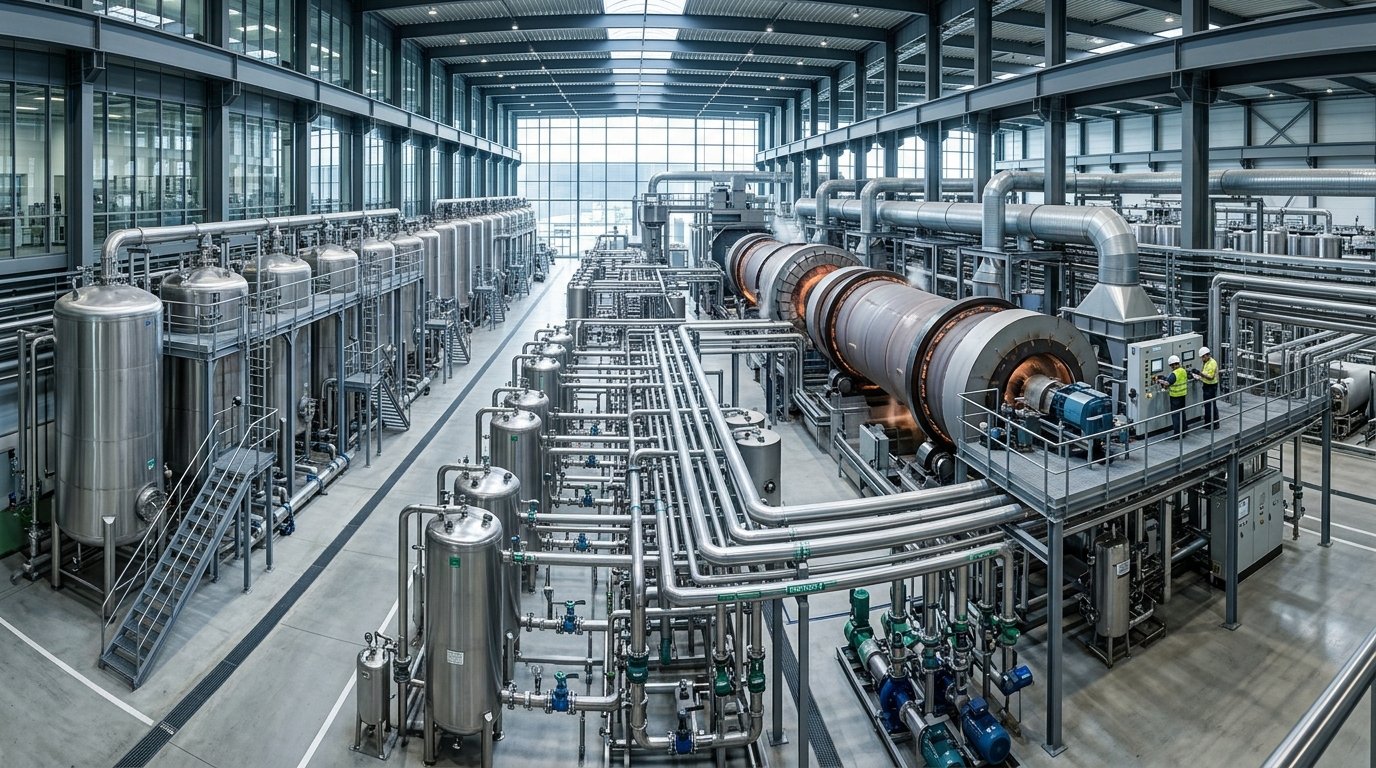
Reverse Osmosis (RO) membranes are the single most expensive consumable in modern industrial desalination and wastewater recycling plants. Thin Film Composite (TFC) polyamide membranes are extremely sensitive to suspended colloids, precipitated metal hydroxides, and free chlorine.
Key Criteria for Pre-Filtration Success
- Silt Density Index (SDI): Feed water to RO membranes must maintain an SDI15 < 3.0 to prevent colloidal fouling. Single-stage cartridge filters fail rapidly if not preceded by deep-bed multi-media filters.
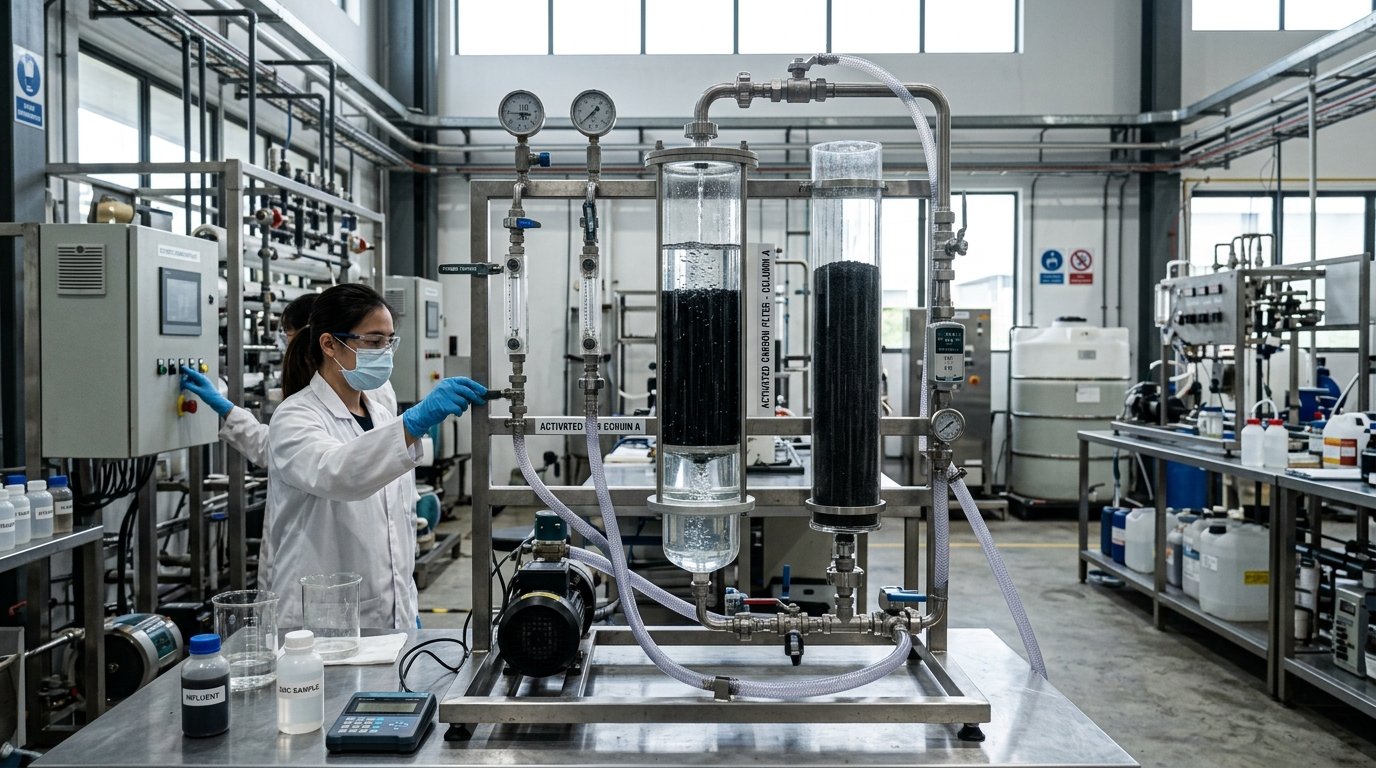
- Chlorine Dechlorination: Free chlorine permanently degrades polyamide membranes within hours. High-iodine coconut activated carbon beds decompose hypochlorite back into chloride ions instantaneously.
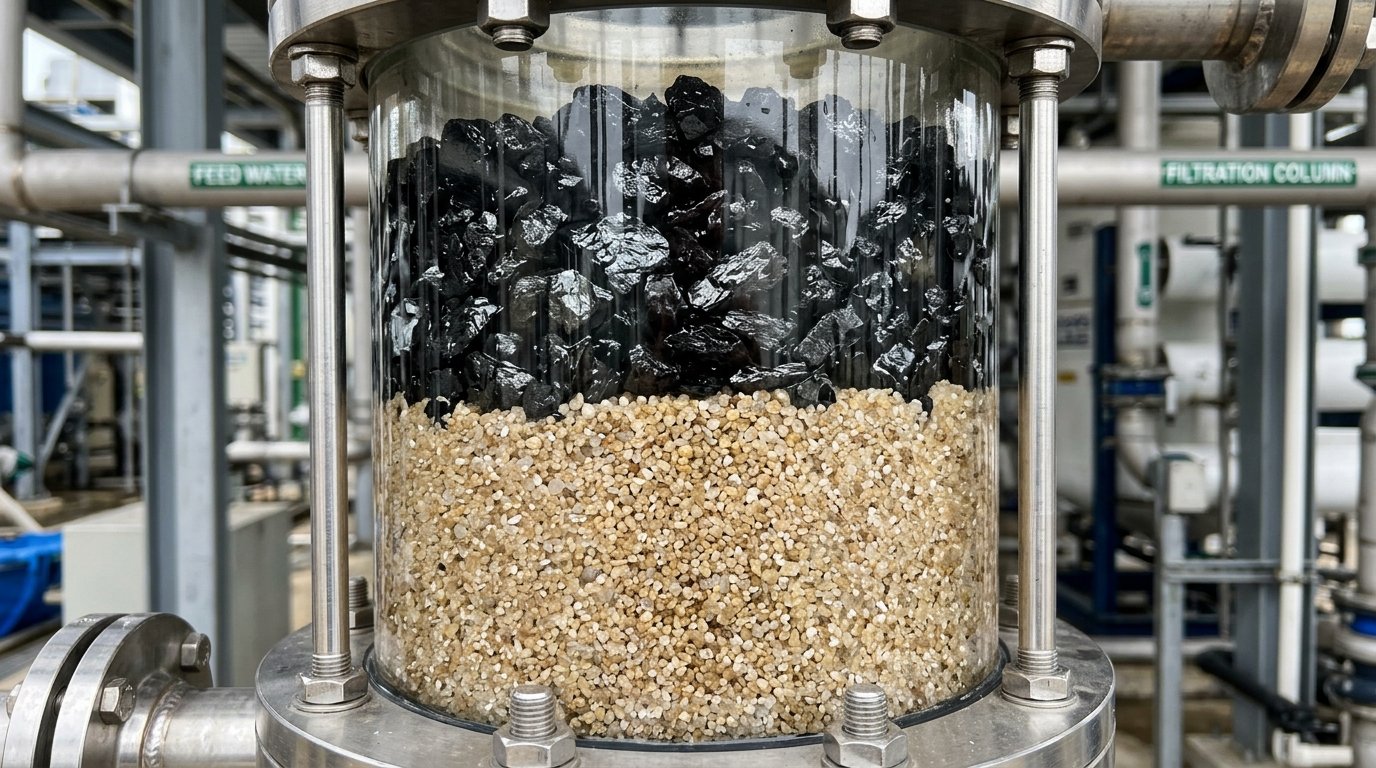
- Layered Multi-Media Strata: The optimal bed consists of:
- Top layer: Anthracite 0.8–1.6mm (depth 400–600mm)
- Middle layer: High-purity Quartz Silica Sand 0.5–1.0mm (depth 300–400mm)
- Bottom support: Catalytic Silex & Quartz Gravel (depth 200–300mm)
Consequences of Poor Pre-Treatment
Inadequate media strata leads to biological scaling, frequent acid-alkali cleaning in place (CIP), elevated operating pressure requirements, and up to a 60% reduction in RO membrane service life.
High-Efficiency Filter Media Solutions:
We supply precision-graded Anthracite, Quartz Sand, and Gravel tailored to your specific bed depth and filtration velocity requirements.