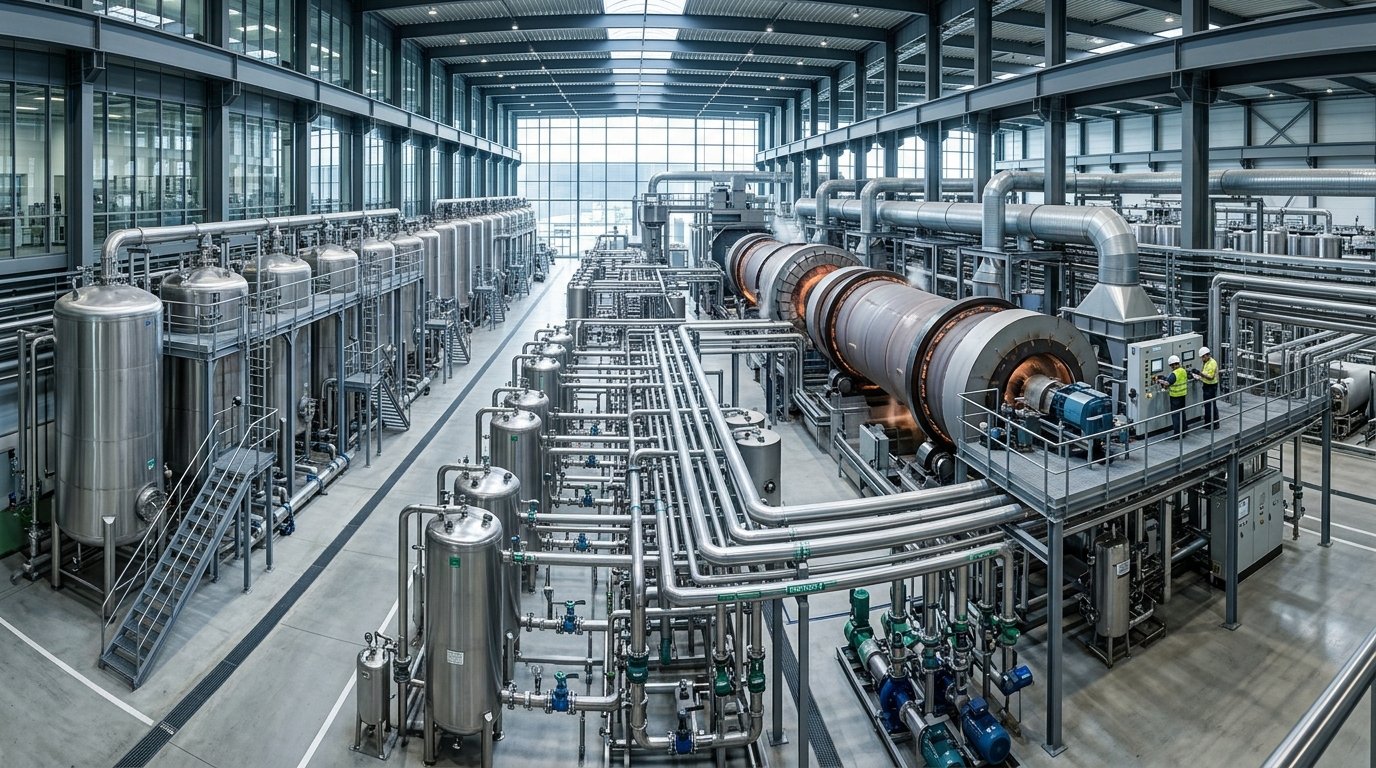
Industrial effluents from chemical processing, textile dyeing, pharmaceuticals, and electroplating contain non-biodegradable, toxic, or recalcitrant organic contaminants. Biological wastewater treatment plants (such as activated sludge or MBBR) can effectively remove biodegradable organic matter (BOD), but refractory chemical oxygen demand (COD) frequently passes through untreated into final discharge waterways.
Adsorption Mechanism & Bed Kinetics
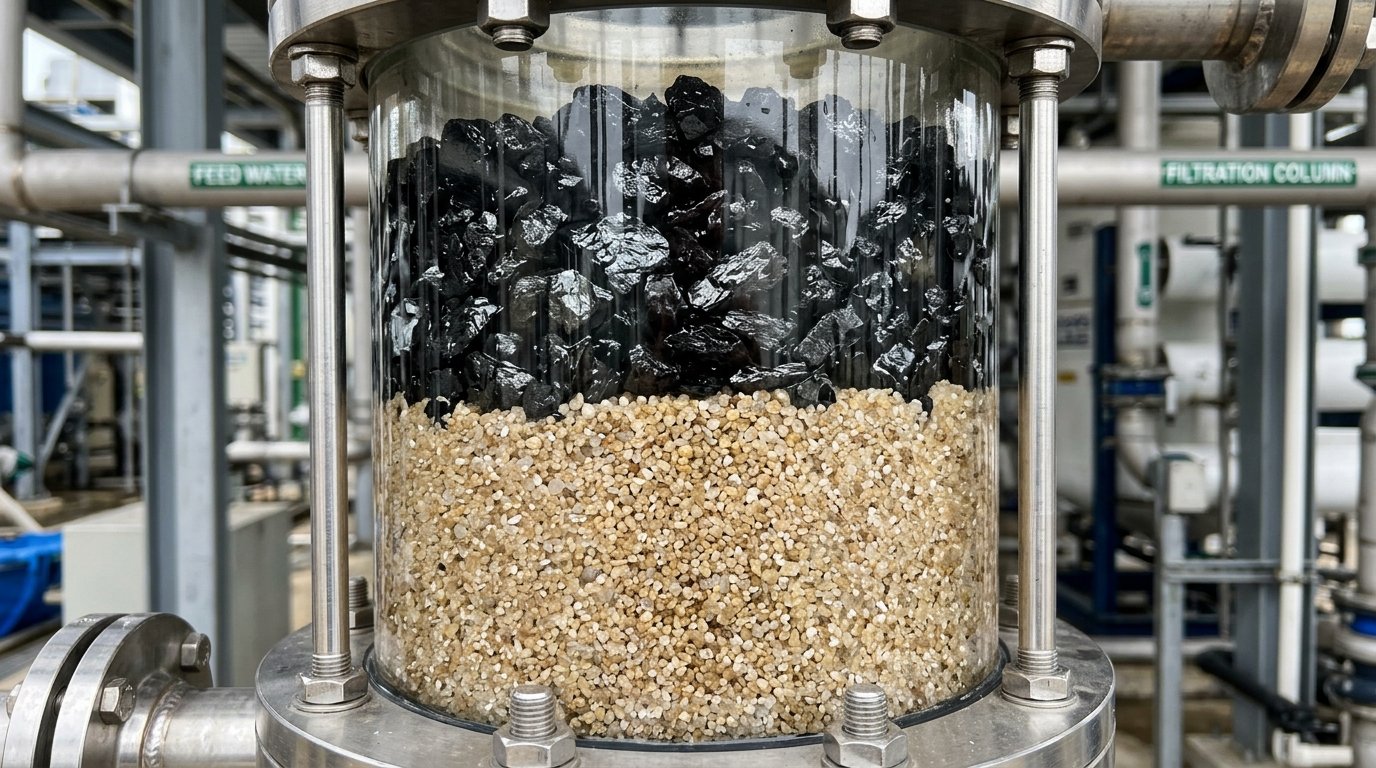
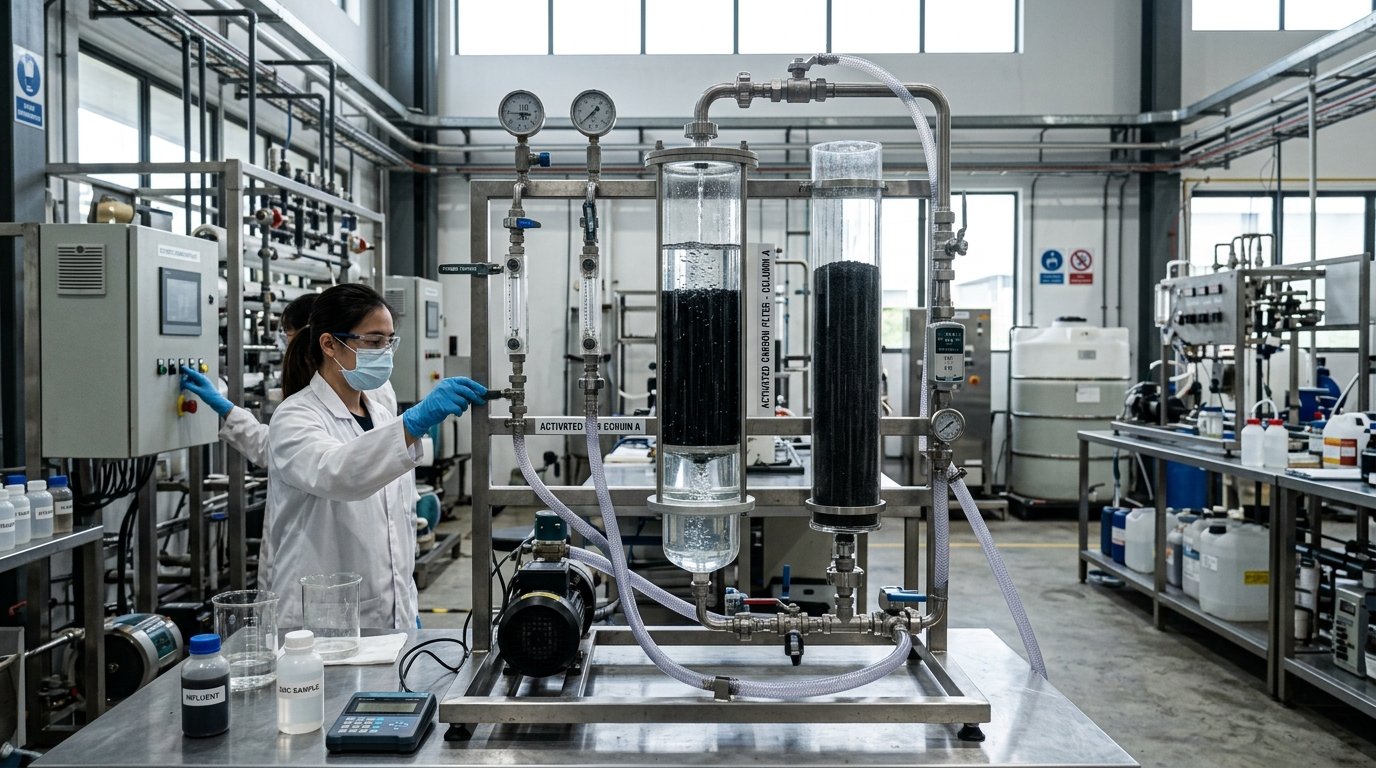
Activated carbon offers an astounding internal surface area exceeding 900 to 1,200 m²/g. The predominantly microporous and mesoporous network traps non-polar organic molecules via London dispersion forces (van der Waals attraction). When water passes through a Granular Activated Carbon (GAC) bed, compounds like pesticides, chlorinated phenols, surfactants, and azo dyes are drawn out of the aqueous phase and immobilized onto the carbon matrix.
Key Adsorption Performance Benchmarks
- Iodine Number (>900 mg/g): Primary indicator of micropore capacity for small organic molecules and colorants.
- Methylene Blue Adsorption (>180 mg/g): Verifies mesopore distribution suitable for larger synthetic dyes and humic acids.
- Bed Empty Bed Contact Time (EBCT): Typically 10 to 20 minutes required for optimal mass transfer zones in effluent polishing.
GAC vs. PAC in Wastewater Schemes
Selecting between Granular Activated Carbon and Powdered Activated Carbon depends on plant infrastructure and discharge dynamics:
- GAC (Granular Activated Carbon): Installed in pressurized carbon filters as a fixed tertiary polishing bed downstream of secondary clarification. Provides continuous, long-term bed operation with backwashability and in-situ thermal reactivability.
- PAC (Powdered Activated Carbon): Dosed directly into aeration basins (PACT process) or coagulation flash-mixers to handle sudden peak contaminant shocks, toxicity spikes, and odor crises without capital-heavy pressure vessel construction.
Operational Best Practices for Carbon Filters
To avoid premature fouling of the carbon bed, wastewater must first pass through adequate multi-media sand/anthracite pre-filtration to maintain Total Suspended Solids (TSS) below 5 mg/L. Excessive suspended solids blind the external carbon pores, causing excessive hydraulic head loss before adsorption capacity is exhausted.
Repuls Internationals Carbon Supply:
We supply high-activity coconut shell and coal-based activated carbons with Iodine numbers from 600 to 1200+ mg/g and uniform particle sizing (8x30, 12x40 mesh) direct from Chennai manufacturing facilities.